Sky to Space
Nearly three quarters of 10 year olds say they're interested in science, but only 16% actually want to be a scientist or engineer. UCL’s fourteen-year study following the same students found that figure barely shifts by the time they reach 18.
Interest isn’t the problem. Almost no one ever shows them what an engineering career would look like before the choice is already made. How many of them would choose differently if someone had?
Open Orbit is designed to address this gap by building aerospace engineering curricula for two age groups: 9-11 and 11-14.

Problems Worth Solving
Every module centers around something a student had to design, build, and justify.

No Lab. No Budget.
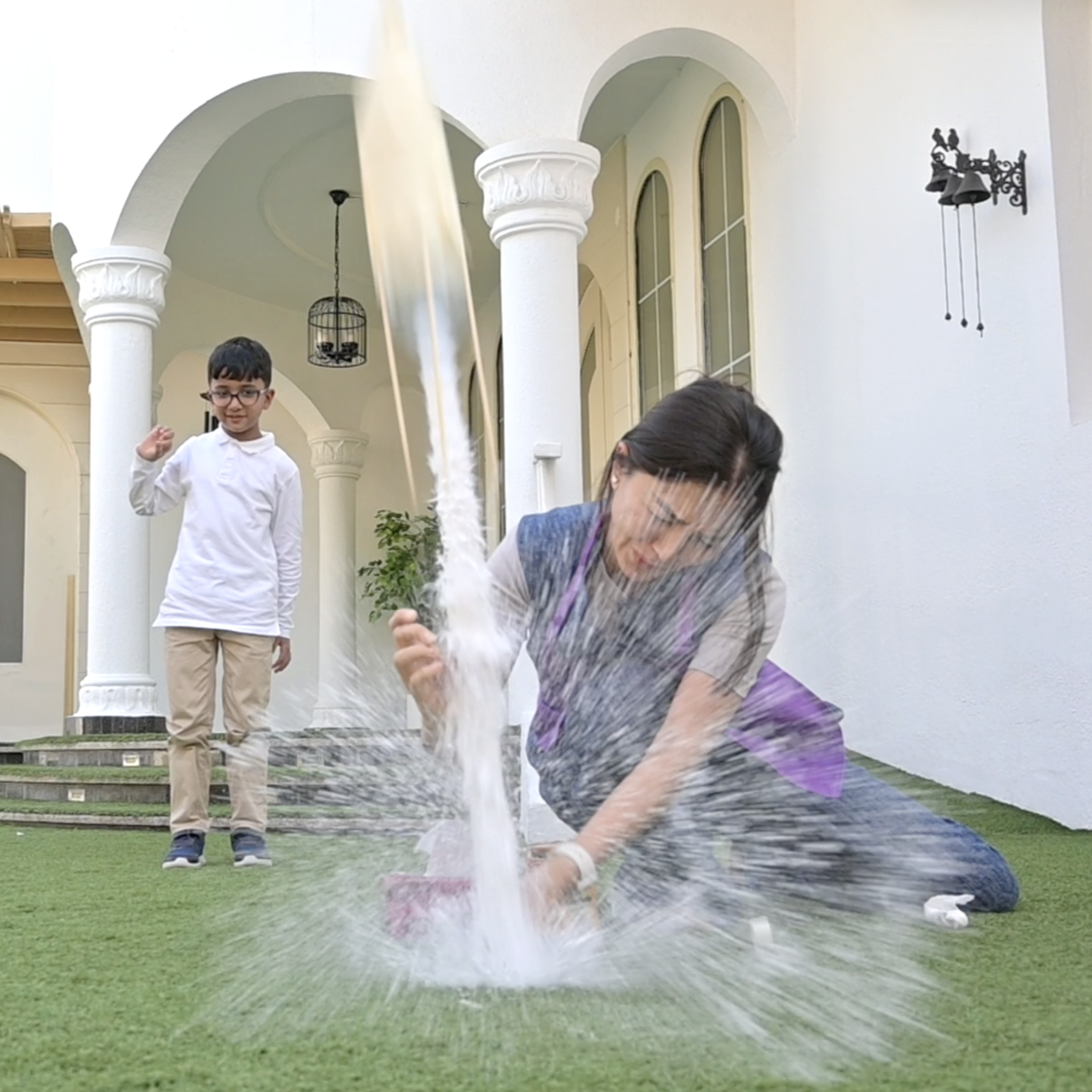
Students build and test with balloons, cardboard, paper clips. Nothing on any materials list costs more a few dollars.

Built for Non-Specialists
Slides double as the student workbook, so a teacher without an engineering background can run it as written.
Mission Briefs, Not Worksheets
Most curricula teach the theory and then bolt a project onto the end. Open Orbit runs the other way. Students open each module with a problem they can't yet solve, and the physics arrives at the moment they need it to get unstuck. Content you need is content you keep.
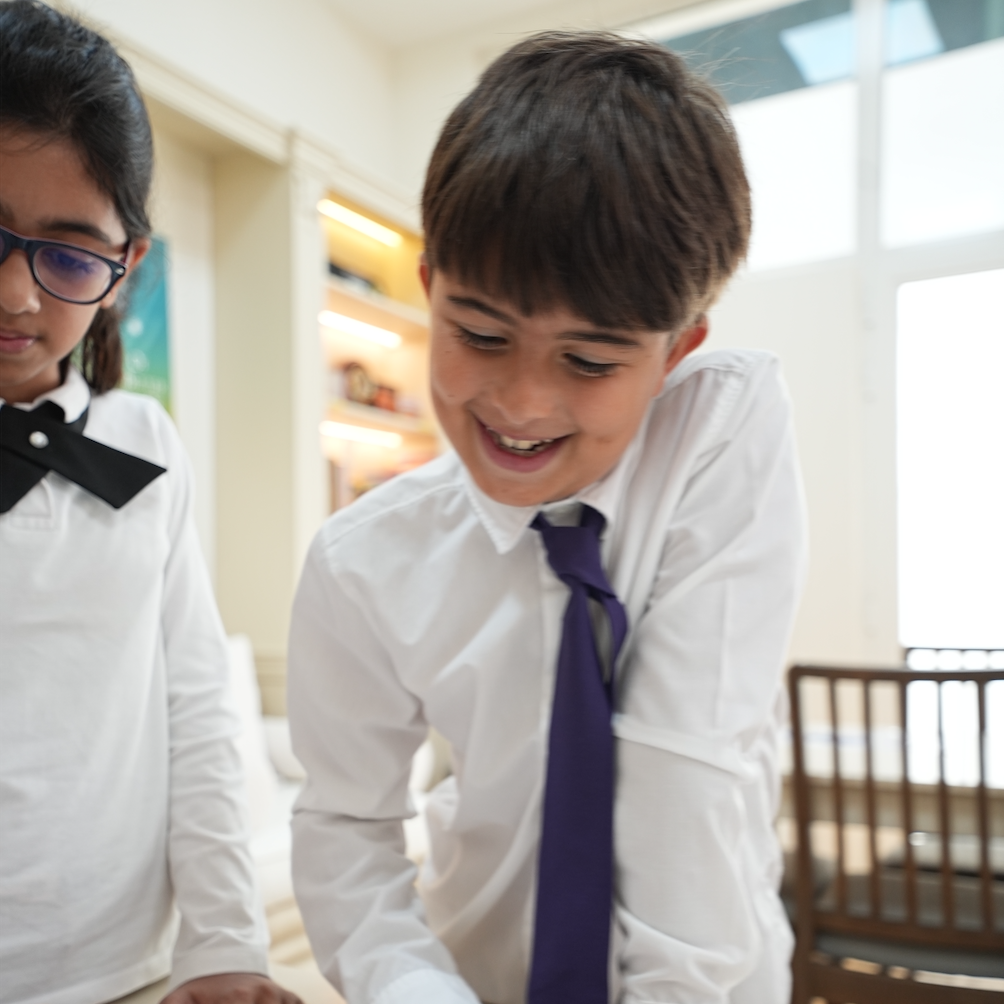
The work is physical. They build a prototype, test it, find out where it fails, and build it again. Nothing is demonstrated to them that they could run themselves.
What Students Walk Away With
Engineering Skills
- Run a full engineering design cycle from problem definition to tested prototype
- Write a design brief and produce annotated technical sketches of their own designs
- Build and test physical prototypes, then iterate on what failed
- Interpret real mission parameters — mass budgets, thermal limits, atmospheric conditions
How they Work
- Defend a design decision under questioning
- Present technical work to an audience that wasn't in the room while they built it
- Collaborate on the engineering design process.
- Keep going after a prototype fails, because failure is scheduled into the process
Teach Module 1 Next Term
Every module arrives as a single deck that works as both your teaching slides and the student workbook, alongside a comprehensive teacher guide. Get in touch to bring Open Orbit to your class.